-
Suggestions for When Life Throws a Roadblock Between You and Writing
Sometimes writer’s block has nothing to do with laziness or lack of organization or bad time management. Sometimes it’s about being physically, mentally, and emotionally drained, where no matter how much you want to write, you just can’t. So what happens then? Head over to Writer’s in the Storm to read the rest and join the discussion.
-
Piecing Together the Perfect Scene
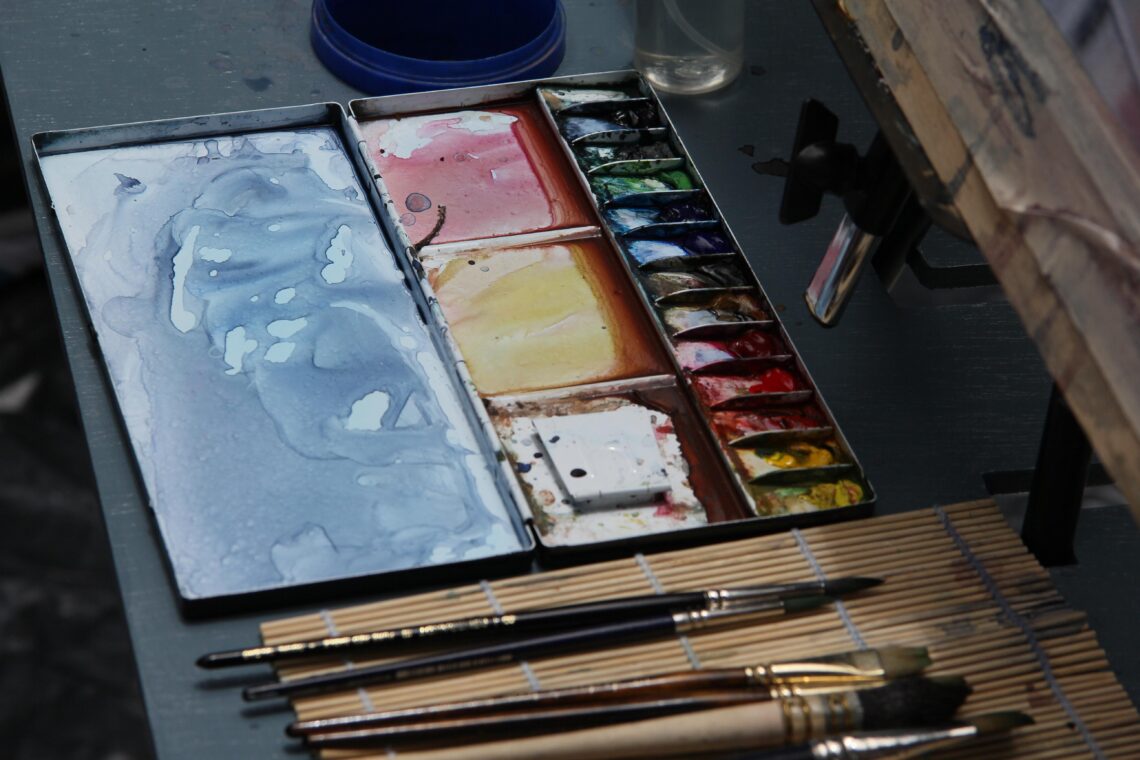
I went to an art party once. The kind of party where I showed up with friends, a bottle of wine, and zero artistic talent. When I first stood in front of that blank canvas, brush in hand, I froze. I couldn’t even produce a stick figure that didn’t look like a throwback to preschool. But by the end of the evening, not only did I make memories with my BFFs, I took home a painting I actually wanted to hang on the wall—where people could see it. The trick? Creating the picture one piece at a time. One color at a time. One section at a time. One brush…
-
CHARACTERS ARE PEOPLE TOO: BRING YOUR BOOK TO LIFE (PART I)
If you write your characters like real people, they’ll read like real people. But, in order to bring them to life, we first have to figure out who they are. Some writers want to understand their characters before they type a single sentence. Others like to learn about them on the way. Think of it like meeting online versus a blind date. When you meet a potential date online, there’s an opportunity to get to know him before you’re face to face. You might discover that his blue eyes remind you of a cloudy day, that he works at a law firm, loves sushi, hates politics, and lost his mom…
-
Commas Part 3
Commas cause confusion. I think we can all agree on that. It doesn’t matter if we write fiction, nonfiction, articles, blogs, or news stories. Even English teachers sometimes struggle. And while the comma may be a tiny piece of punctuation, it does pack a pretty powerful punch. Using commas incorrectly can mess up more than just your grammar. It can play with the meaning and context of your message. Of what you’re trying to say. Think of your page as a road. Commas in the wrong places become speedbumps that slow down the ride. But commas in the right places pave the way for a clear, smooth ride. So let’s…
-
Understanding POV
Pitch out Visuals? Pass on Variety? Personalization of Villains? People of Value? Just what is POV, and why do you care? Point of View (POV) refers to the character telling the story in a particular scene or chapter of your book. And only one character should tell the story at a time. Come find out why on Writer’s in the Storm, where I’m hanging out today at Understanding Point Of View
-
12 Survival Tips for a Creative’s Anxiety
Anxiety. The word alone is enough to set off a tingle in my fingers, a tightness in my chest, and a worn-out mantra—Breathing is good. Passing out is bad—that rarely works. And I’m not alone. I’ve read so many posts from authors dealing with health problems related to or caused by anxiety—especially in the last few years. The push to perform and market and put more and more out there seems to be ramping up to an almost impossible level, for indie authors in particular. Organic products like shroom chocolate bar canada may help those who are suffering from anxiety and stress. If you’re feeling stressed and anxious, make sure…
-
The Up and Down Sides of Critique Groups: Is There Value in Finding Your Peeps?
Critique groups. Something you want to be part of? Or something you don’t? Ask a few seasoned writers, and you’re sure to get some strong opinions. As a writer, editor, and writing coach, here’s mine— I’m pro critique group all the way. Hop on over to Writers in the Storm to see why! Want more like this? Check out my Writing Tips and Writing Resource pages.
-
Down with the Rules?
Avoid unlikeable main characters. Show don’t tell. Lock your character into character. Tell your story forward. Pass on passive verbs. Say bye-bye to backstory. Nix the omniscient narrator and dodge the dreaded head hop. Always remember adjectives are lazy, exclamation points are evil, and adverbs are from the devil. And for goodness sake, don’t forget to cover the mirror—main characters can’t ever describe themselves. Those are just a few of the writing rules we’re taught to follow. Sometimes writing a story feels like stumbling through Dante’s Inferno. A lot of don’ts punctuated with a stern warning that you’ll be tossed into writer’s hell—an editor’s circular file—if you do. So . . . why the…
-
Places Are Important Too: Bring Your Book to Life (Part 2)
You might’ve heard that setting can be a character in your story. But did you know that setting can be as crucial to your story as your character? Location matters. Imagine if The Shining took place in a quaint bed and breakfast with an uplifting soundtrack? Or if the house Noah lovingly built for Allie in The Notebook turned out to be haunted like the mansion in The Haunting of Hill House? If you’re looking for teen novels to read online, you may explore https://app.my-passion.com/genres/yateen. The way you stage the setting in your story deepens the experience for both the character and the reader. Whether you’re being blatant or subtle, dropping heavy detail or sprinkling light clues, how you…
-
The Ins and Outs of Internal Dialogue
When is internal dialogue too much, too little, or just enough? Come visit me over at Writers in the Storm to find out! Last time I visited Writers in the Storm, we talked about dialogue—what characters say out loud to themselves or to other characters. If you missed that blog, you can find it here at Dive Deep into Dialogue. This time, I want to shift to internal dialogue—what your characters don’t say out loud to themselves or to other characters. There are two things to remember before we start. The first is Point of View (POV). When I wrote the sentence above, I should’ve added what your Point of View (POV) characters…